

This suicidal case of Prakriti Lamsal, a Nepali student at KIIT – Kalinga Institute of Industrial Technology (KIIT) in Odisha, India (who was found dead in her hostel room on Sunday), has sparked many reactions. Despite her reaching out to the administration about the harassment she was facing, the administration failed to take her complaints seriously. This happened not just once, but a second time, showing a clear disregard for her concerns. The administration’s response appears to be driven more by the financial gain from international students, particularly those from Nepal, rather than addressing their well-being and needs. This is deeply concerning and tragic.
After Prakriti’s suicide, many Nepali students protested on campus against the administration’s carelessness. Instead of addressing the issue, the administration attempted to suppress their voices. Students were physically and verbally abused by the authorities, even being beaten and expelled from the hostels. Some were left stranded without support. In addition to this, students faced verbal insults, with the administration even belittling Nepal by claiming the entire country’s budget was smaller than their university’s budget. This kind of bullying is not only an attack on these students but also an attack on Nepal itself.
The situation also highlights the failures of political leadership in Nepal. When Sumana Shrestha tried to raise the issue during a session, she was not allowed to speak. This was a crucial moment to address the injustice Nepali students were facing at the Indian university, but it was disregarded. This neglect reflects poorly on the leadership of Nepal’s political system.
Furthermore, the emotional abuse Prakriti suffered at the hands of the person she was in a relationship with, as evidenced by audio recordings, is heart-wrenching. His cruel words and behavior contributed to her tragic decision. The administration’s failure to take her complaints seriously is an extension of their indifference to the welfare of students, especially when financial interests have been involved.
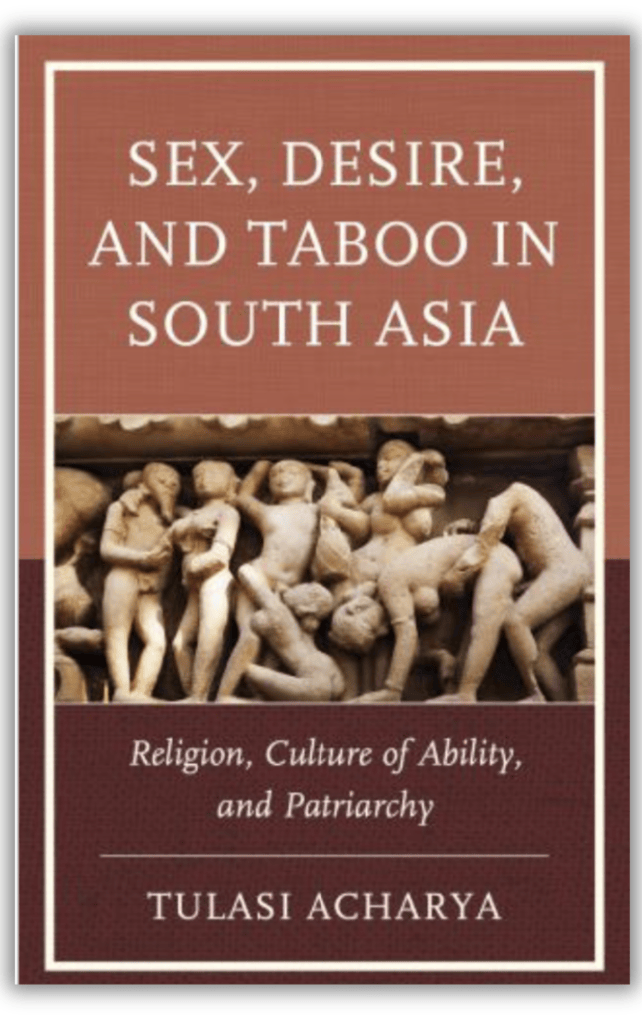
This tragedy underscores the need for a comprehensive understanding of harassment, relationships, and gender issues. In many South Asian countries, including Nepal and India, patriarchal attitudes still play a major role in oppressing and silencing women. These issues must be discussed openly, especially in education. Topics like relationships, sexual harassment, and gender equality should be integral parts of the curriculum in schools as core subjects.
In countries like the United States and many European nations, such complaints would have been taken seriously, and the administration would have acted swiftly. Sadly, this is not the case in many South Asian countries, where patriarchal mindsets still dominate. The legal system also reflects these outdated views, with some judges claiming that married women cannot be raped by their husbands. Such attitudes and the influence of patriarchal ethos resurface in many bureaucratic and institutional practices. This kind of thinking needs to change.
From this incident, we can learn that Nepal has great universities now, and many students who have studied abroad are returning and contributing to the country’s educational growth. It’s important for parents to encourage their children to consider local opportunities in education, especially until they are mature enough to navigate the challenges of studying abroad. This would help strengthen Nepal’s own educational institutions and ensure that resources stay within the country, benefiting its future.
The bullying of Nepali students by the Indian administration is not just an issue for those directly involved; it is a form of bullying against the entire nation of Nepal. This issue must be brought to the forefront in parliament and addressed thoroughly to prevent such incidents in the future. Nepali people must recognize the role politics plays in this situation, understand how current political leaders are handling it, and carefully consider who they vote for in the upcoming election.


Leave a Reply