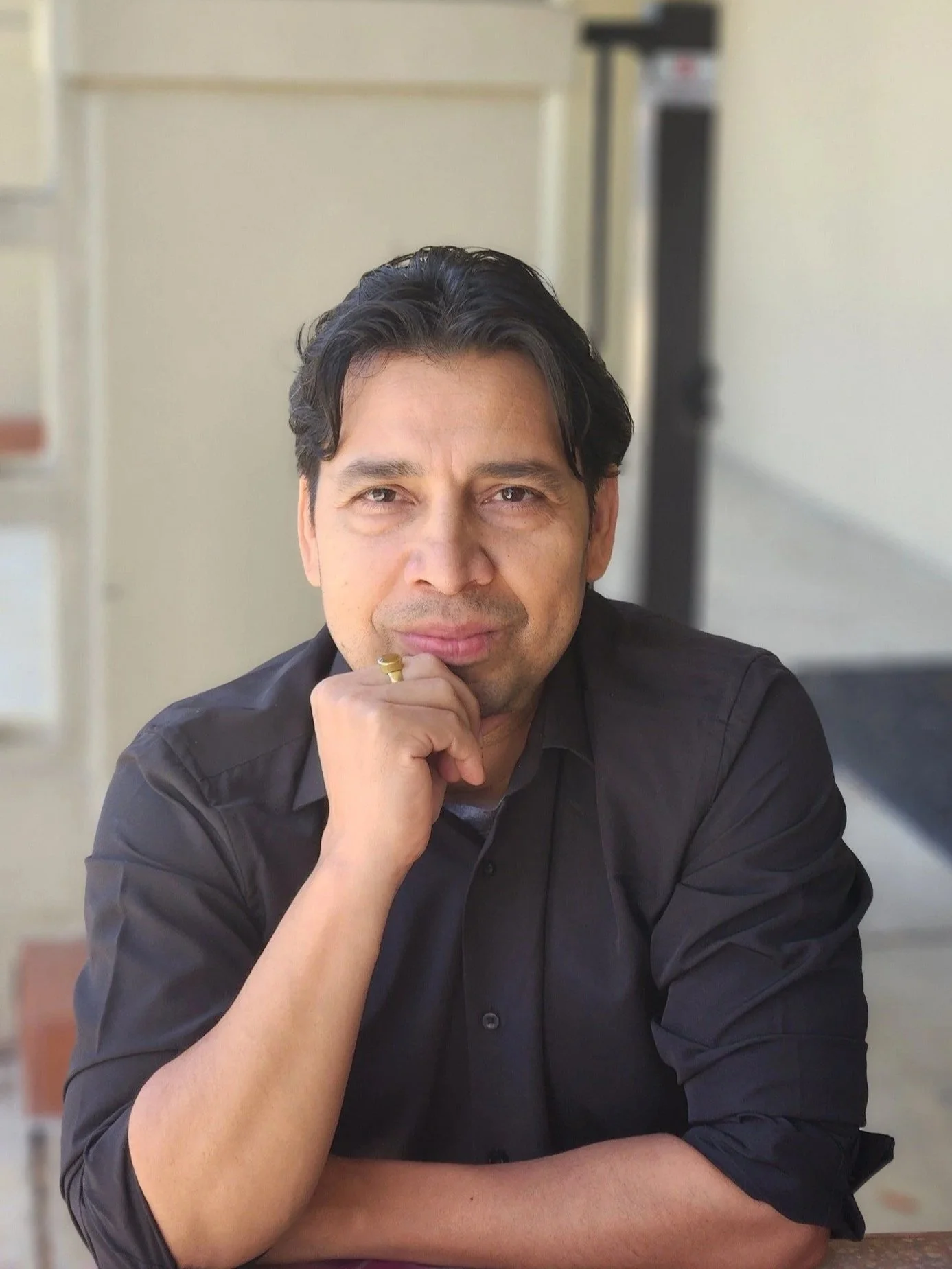
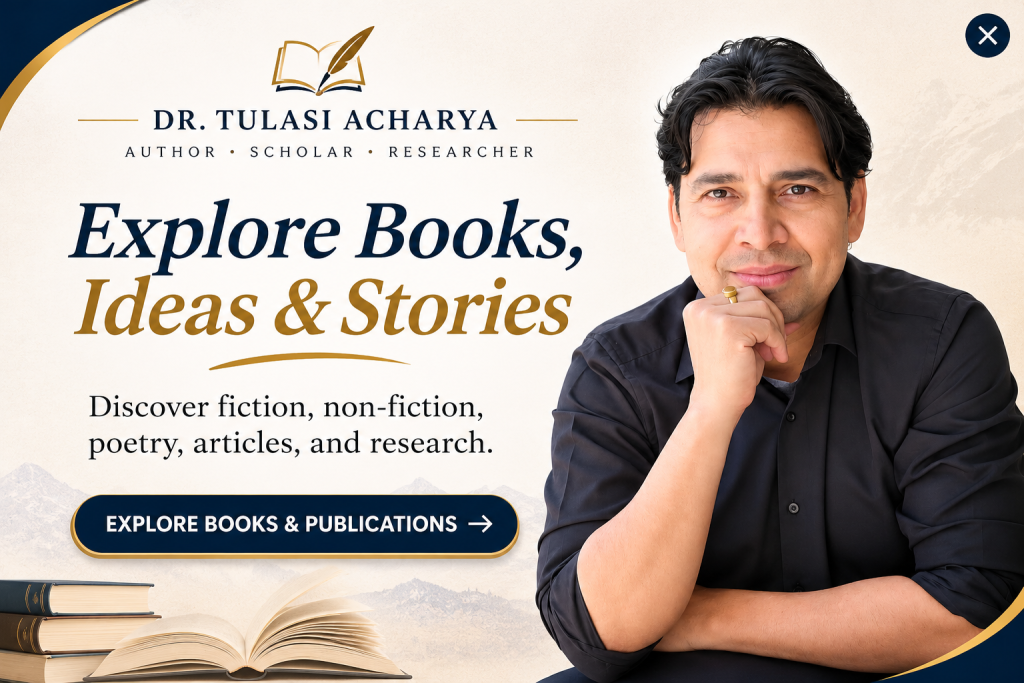
Dr. Tulasi Acharya is an accomplished novelist, memoirist, poet, and professor of English. Writing with lyrical grace across continents and languages, his works explore grief, resilience, migration, and societal taboos in both English and Nepali.
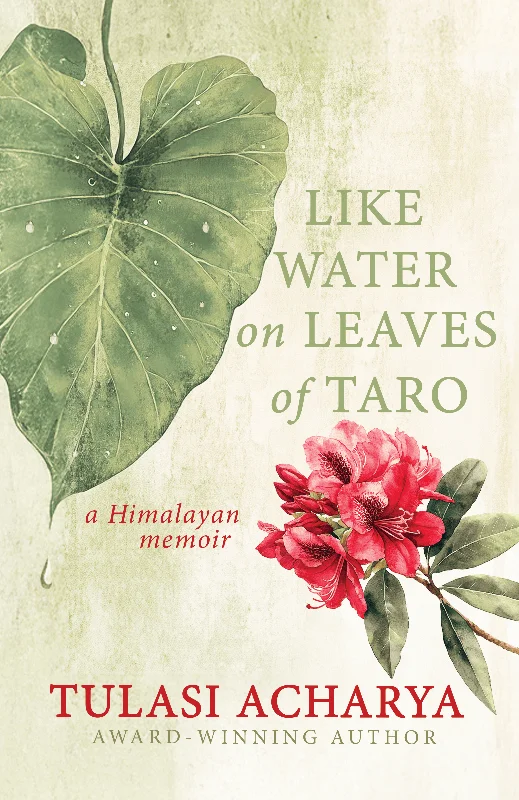
"In Like Water on Leaves of Taro, Tulasi Acharya approaches personal loss with both emotional honesty and intellectual depth. Weaving his family's private sorrow with the global tragedy of theCOVID-19 pandemic, Acharya explores the limits of human endurance through a kaleidoscope of cultural, generational, and spiritual perspectives." — Review
When Tulasi Acharya returns home to Nepal from the United States to celebrate his daughter's first birthday, he does not expect his world to be turned upside down. But when his mother-in-law dies suddenly, a joyful reunion becomes a season of mourning-and a journey through the fragile space between life and death. As his wife grieves and observes traditional rituals, Tulasi finds himself caring for his father-in-law, whose health is rapidly declining. What follows is a deeply personal account of a son-in-law's struggle to balance love, duty, and distance-caught between two continents, two families, and two ways of being. Amid hospital visits, cultural expectations, and the crushing weight of unspoken truths, Tulasi wrestles with questions of masculinity, caretaking, and how to tell someone they're dying. Set against the lush yet turbulent backdrop of Nepal during the COVID-19 pandemic, Like Water on Leaves of Taro weaves together themes of loss, resilience, identity, and hope. The memoir honors sacred rituals and everyday heartbreaks, from the thirteenth-day death feast to a father's wish to spare his daughter further grief. Through poetry, reflection, and memory, the author invites readers to witness the quiet strength of family, the complexity of Nepali culture, and the universality of sorrow. This is not just a story of illness and loss-it is a meditation on what it means to be human, to mourn, to endure, and to carry love forward in a world that feels constantly in flux. For readers of When Breath Becomes Air, The Year of Magical Thinking, and The Long Goodbye, Like Water on Leaves of Taro offers a moving cross-cultural perspective on grief, devotion, and the enduring lessons of death.
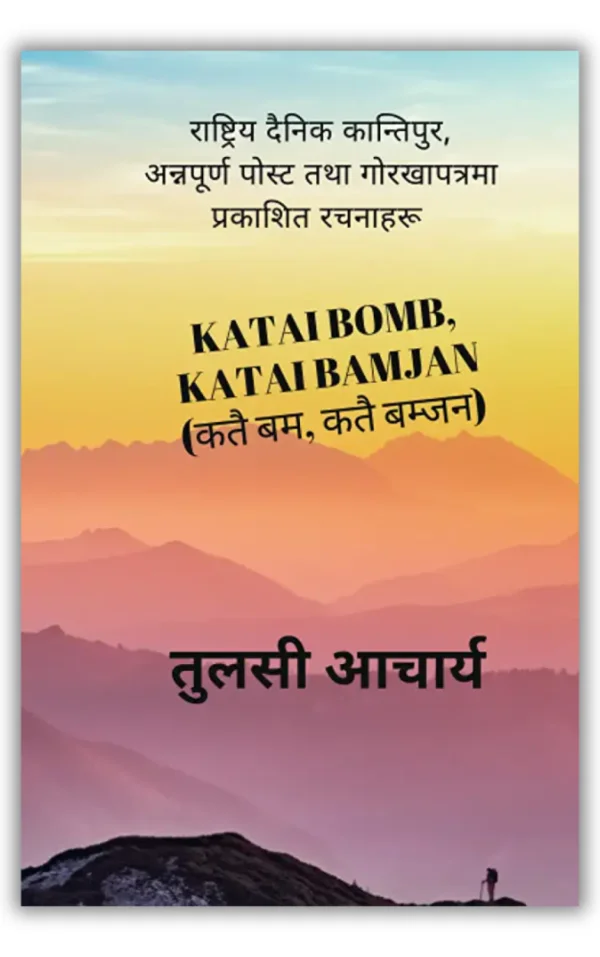
Memoir, fiction, poetry, translation, and academic scholarship spanning multiple decades, written in both English and Nepali.
Bridging Himalayan roots and Western academia through memoir, fiction, and taboo-shattering discourse.
Tulasi Acharya, PhD, originally from Nepal, began his American journey in 2008. He holds a Master's in Professional Writing from Kennesaw State University, a Master's in Women's Studies, and a PhD in Public Administration from Florida Atlantic University. He also earned an MFA in Creative Writing from Georgia College. Dr. Acharya currently teaches English at South Georgia State College.
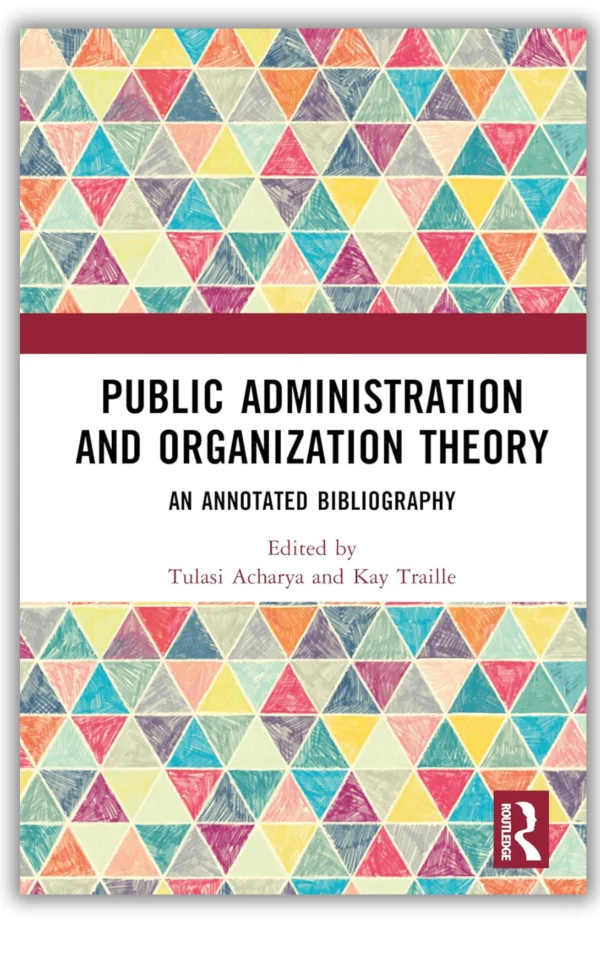
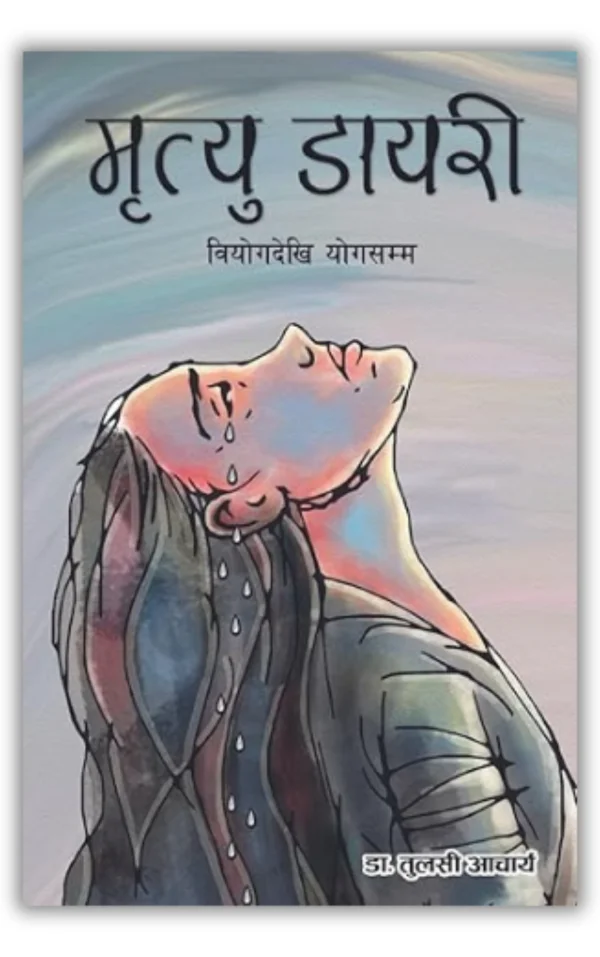
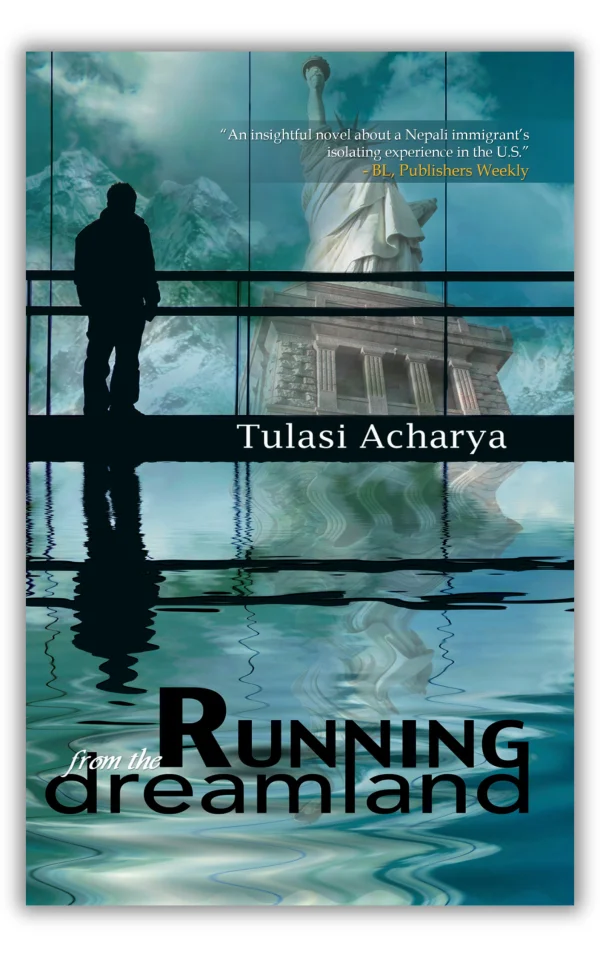
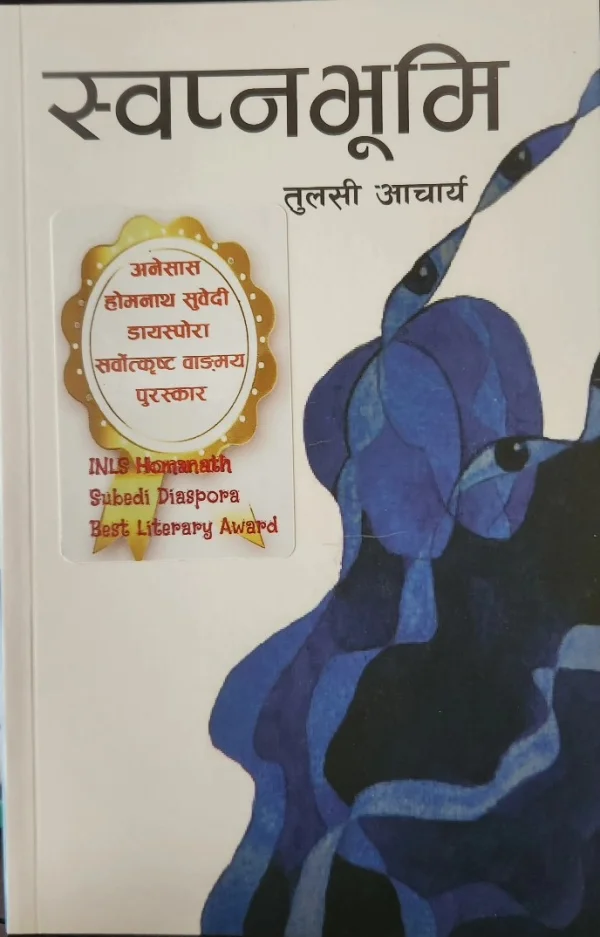
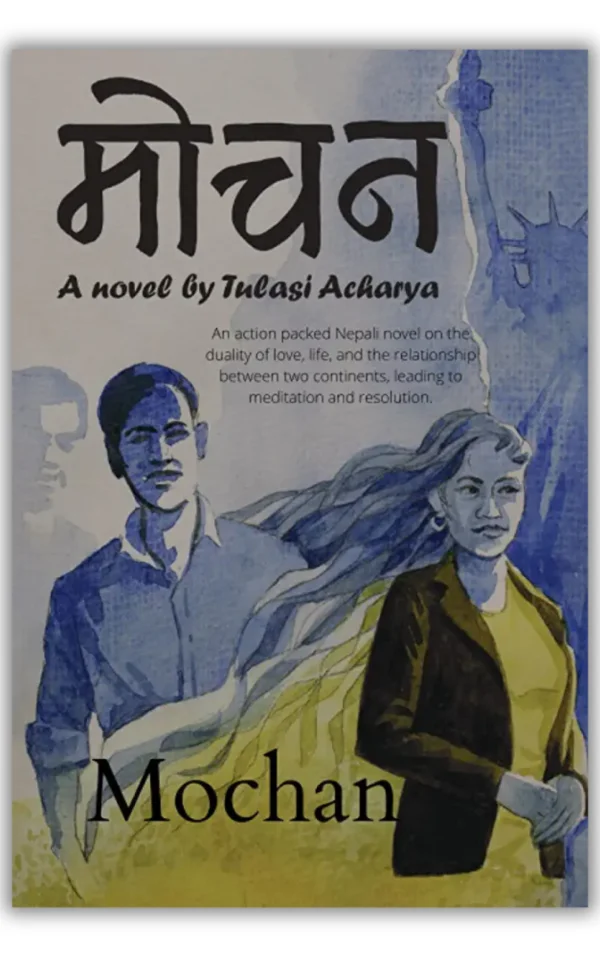
An accomplished multilingual author who also knows Hindi alongside English and Nepali, Dr. Acharya has published over a dozen books across multiple genres. His debut English novel, Running from the Dreamland, received critical acclaim, and his bestselling Nepali novels, Mochan and Swapnabhumi, reflect his literary versatility in both Nepali and English. His academic and creative work has been published by leading publishers, including Routledge and Bloomsbury Academic.
Dr. Acharya's short stories have earned honors such as the Certificate of Excellence from the University of New Hampshire and have appeared in numerous literary journals and newspapers, including The Kathmandu Post, The Himalayan Times, The Rising Nepal, and the MSU Roadrunner Review. In recognition of his literary achievements in the global Nepali community, he received the INLS (International Nepali Literary Society) Homanath Subedi Diaspora Best Literary Award.
In his most recent book titled, Like Water on Leaves of Taro, Acharya extends an invitation to readers to witness mourning as both personal and communal, grounded in ancient tradition yet deeply relevant in today's fractured world.
His writing is driven by an unwavering passion for storytelling, cultural connection, and the written word.
"Writing is not simply an art of crafting sentences; it is an act of bearing witness to the fragile, unspoken corners of our lives and bridging the vast silence between cultures."
— Dr. Tulasi Acharya, PhD, MFAInvestigating elder care, disability, and public health in remote high-altitude Himalayan communities.
Ongoing · Principal Investigator
The Senior Citizen Care project tests a practical way to improve the well-being of older people in Nepal by working with the local government and with Female Community Health Volunteers (FCHVs).
The team surveys every resident over 65 in Lo Manthang Rural Municipality, Upper Mustang, to measure frailty and disability. The FCHVs then receive specialised training in elderly care, so that support is affordable, timely and fits local culture.
Selected television interviews, podcasts, and video conversations discussing literary works, diaspora identity, and academic research.
Reflections on craft, culture, diaspora literature, video talks, and podcast episodes from Dr. Acharya's literary journey.
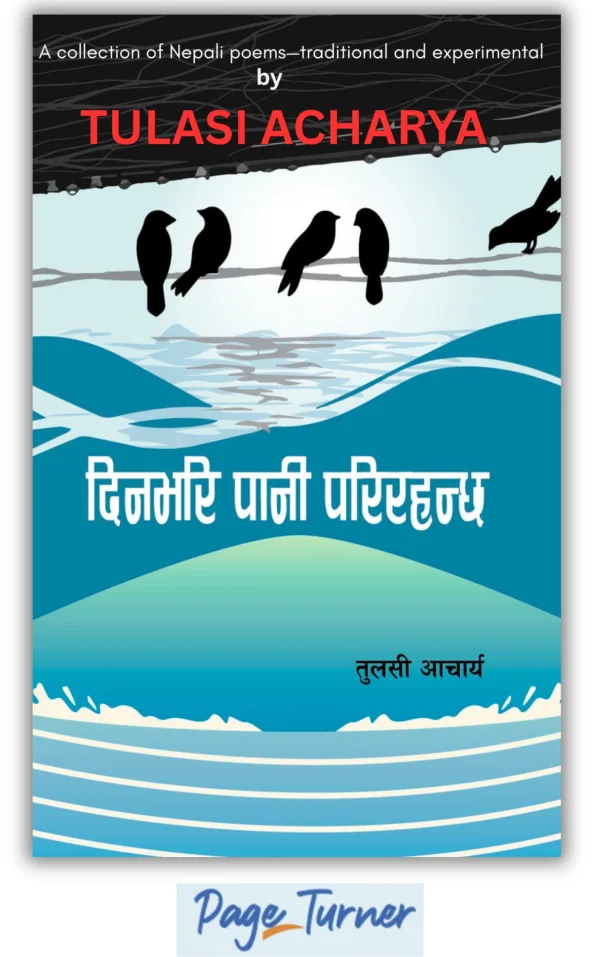
A review of Dr. Tulasi Acharya’s Nepali poetry collection ‘Dainbhari Pani Parirahancha’.
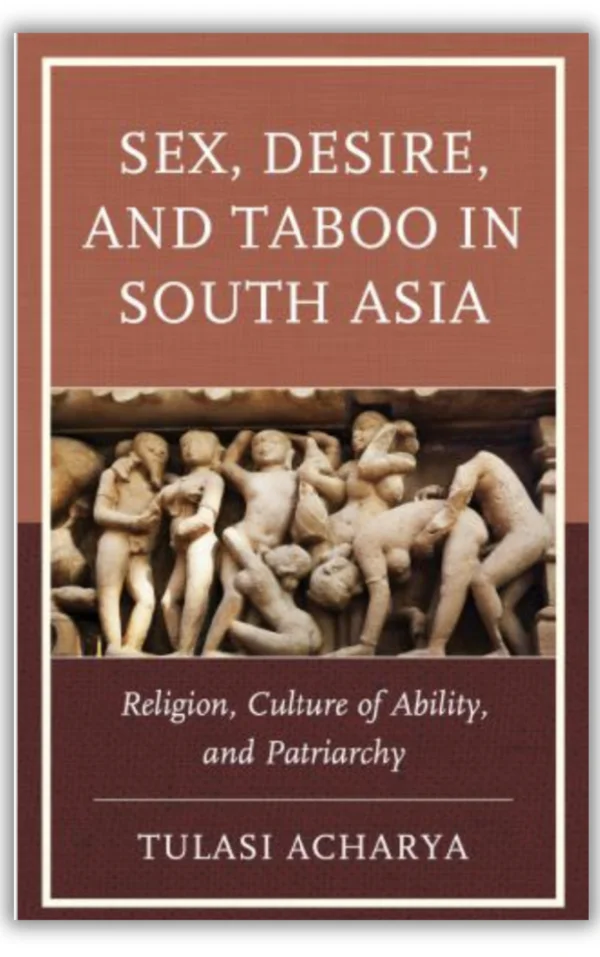
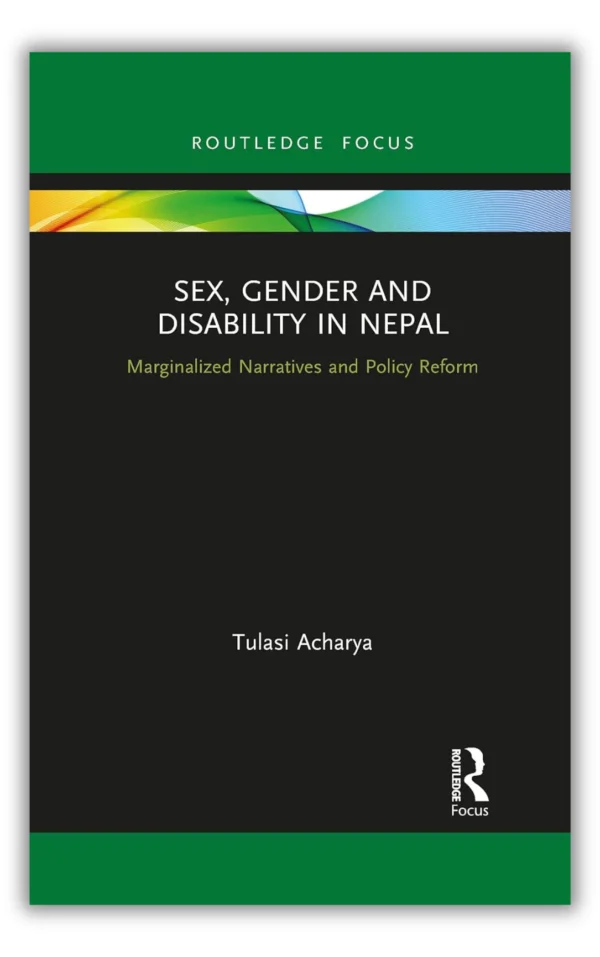
Read Full ArticleRitu Varghese reviews “Sex, Desire, and Taboo in South Asia: Religion, Culture of Ability, and Patriarchy” by Tulasi Acharya. The review was published in the Journal of International Women’s Studies. She writes: “Tulasi Acharya’s…
Read Full ArticleTravelogues, or travel essays, or travel memoirs, or you name them, not only reflect on the author’s experiences, but also take you on a tour with the writer. It can, not only remain a physical journey, but also becomes a mental,…
Read Full ArticleI have just finished reading Dunki, an emotionally moving and stirring Nepali novel. The flow of the story is beautiful. It moves like a river flowing gently along its course. Particularly after Pashupati returns to Nepal and…
Read Full ArticleKathmandu, June 10: Literary enthusiasts and critics held an interaction on an anthology of poetry, ‘Dinbhari Pani Parirahanchha’, in the federal capital, Kathmandu, on Tuesday. The poems penned by Dr Tulasi Acharya dwell…
Read Full ArticleLike Water on Leaves of Taro Like Water on Leaves of Taro: A Book Review by Candice Louisa Daquin Like Water on Leaves of Taro (Colorful Crow Publishing, 2025), a Himalaya memoir, by Dr. Tulasi Acharya Dr. Acharya’s Like Water on…
Read Full ArticleWe all have our own stories to tell. We all go through difficult times. We experience ups and downs in life. However, we often hesitate to bring our stories into the world, or we don’t know how to express them, or we fail to…
Read Full ArticleDeath is an ultimate truth. It is a natural part of life, for everyone who is born must one day die. Science has made progress in prolonging life through modern medicine and treatment. These advances can ease pain and make the…
Read Full ArticleThere are many topics considered taboo, and some of them are death and sex. They are the subjects that many of us hesitate to discuss, yet they remain a fundamental part of life. Let’s begin with the death first. This reluctance…
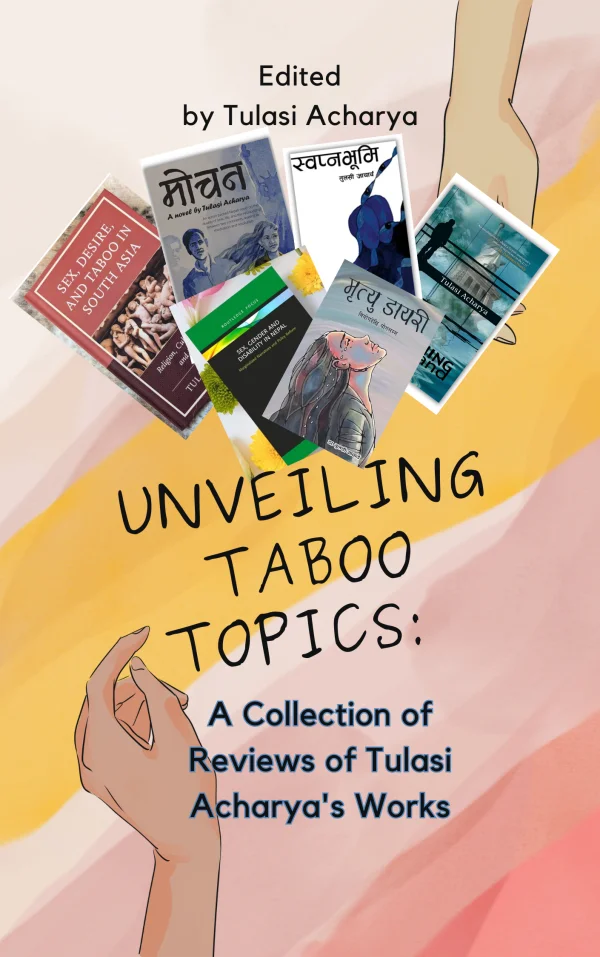
Read Full ArticleThis collection brings together critical insights and thought-provoking reviews of the works of Tulasi Acharya, whose books challenge conventional perspectives on complex societal issues. Unveiling Taboo Topics offers a rich…
Read Full ArticleReviewed by Narayan Prasad Ghimire Sex is a crucial element of a healthy, fulfilling life. Nevertheless, there is minimal discussion about it, which impedes creative ideas and practices related to a joyful sexual life. While sex…
Read Full ArticleBook reviewed by Devapriya Sanyal (St. Joseph’s University, Bengaluru, Karnataka, India. E-mail: devapriya.sanyal@sju.edu.in) “The book’s strength, however, lies in its tackling of otherwise unexplored themes, such as the sexual…
Read Full ArticleInquiries regarding keynote lectures, speaking engagements, media interviews, academic collaborations, or signed book orders.
Dr. Acharya welcomes correspondence from readers, students, scholars, literary festival directors, and editors worldwide.