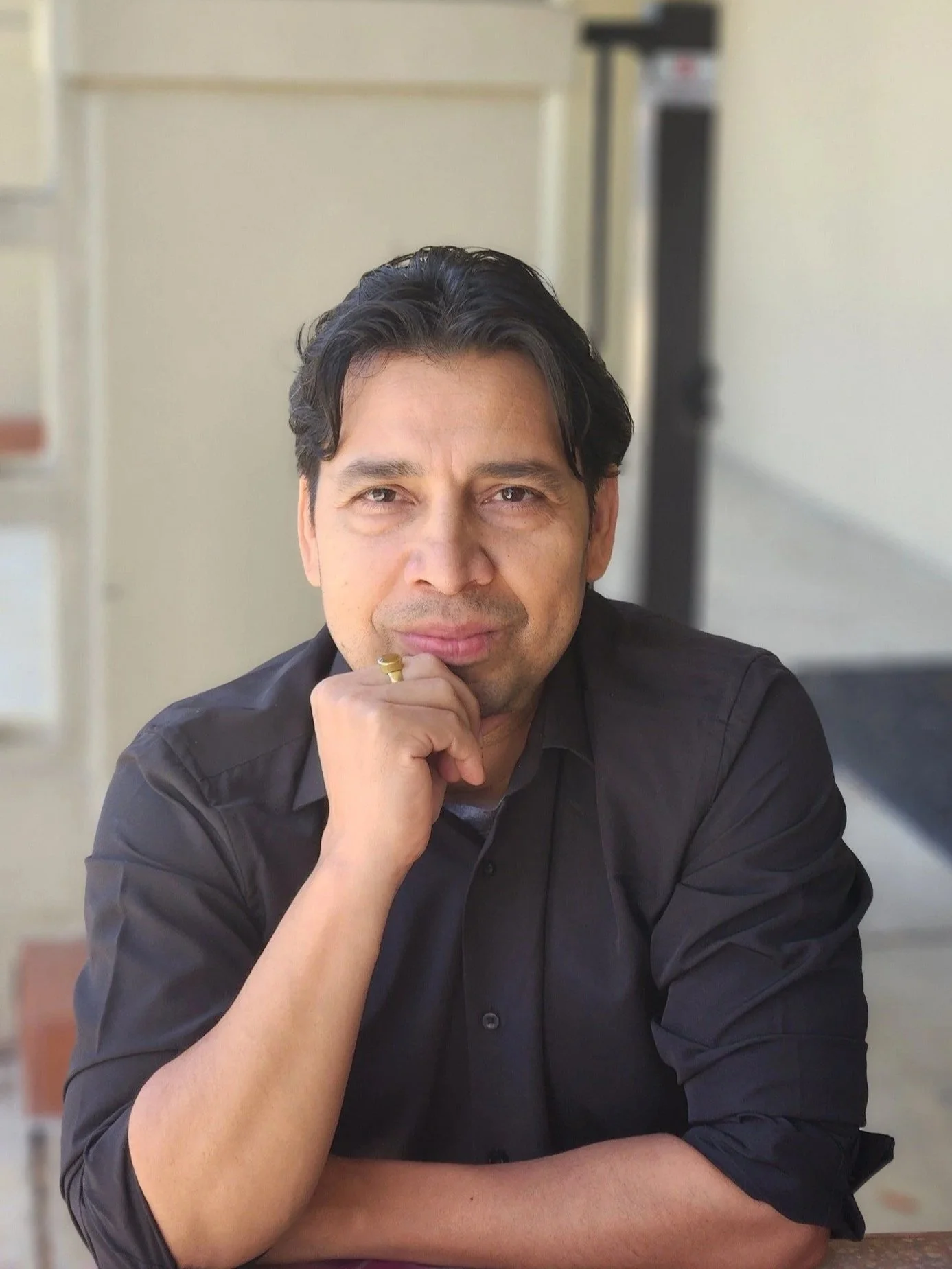

Two greatest festivals of Hindus—Dashain and Tihar—that we Nepalese family recently celebrated here in the U.S. reminded me of my home back in Nepal. Living in the U.S. and writing in English means living between two cultures, remembering home I left behind. It also means reflecting on and reexperiencing the same home, but differently. It not only has to do with my memories of missing home and subjective experience of it, but also reclaiming and reexperiencing the same home with new knowledge and insights into it. The home becomes an imagined place, and we create home through language, culture, and rituals. One of its central questions remains: What does home mean when a person leaves their country, lives between cultures, or discovers that the place they remember no longer exists in the same way?
As a writer, like many immigrant authors, I create home through writing—code switching at times, using onomatopoeia, memory, and (re)membrance. Thus, missing home remains fulfilled through memory. An especially interesting tension is that home can be both a physical place left behind and an imagined place reconstructed through memory, language, food, family, and, of course, writing, at times with a feeling of exile.
In his book Reflections on Exile and Other Literary and Cultural Essays (2012), Edward Said explores exile as both a lived condition and a way of seeing the world. His writing helps to understand the distance between a person’s homeland and their present life, as well as the emotional and intellectual costs of displacement. Although leaving home at times creates a permanent sense of loss, or a new perspective on identity, as a writer, I can regain that loss and reclaim home through memory in my writing. In that process, I can re-experience it differently with new knowledge and insight, which, at times, becomes even more enriching, meaning I understand the home more clearly, visibly, and with a few other sensible and sensory details that I would otherwise have never noticed. For example, the other day we had Tihar, also called the festival of lights when we make Sel-roti, a traditional Nepalese ring-shaped sweet fried dough made from rice flour. It is mostly prepared during Dashain and Tihar. We also play Bhailo and Deusi, collectively known as Deusi/Bhailo, Nepalese traditional folk songs sung during the Tihar festival in Nepal. Children as well as adults perform Deusi/Bhailo by singing songs and dancing as they go to various homes in their community, collecting money, sweets and food and giving blessings for prosperity, which somehow aligns with the Halloween night here in the US.
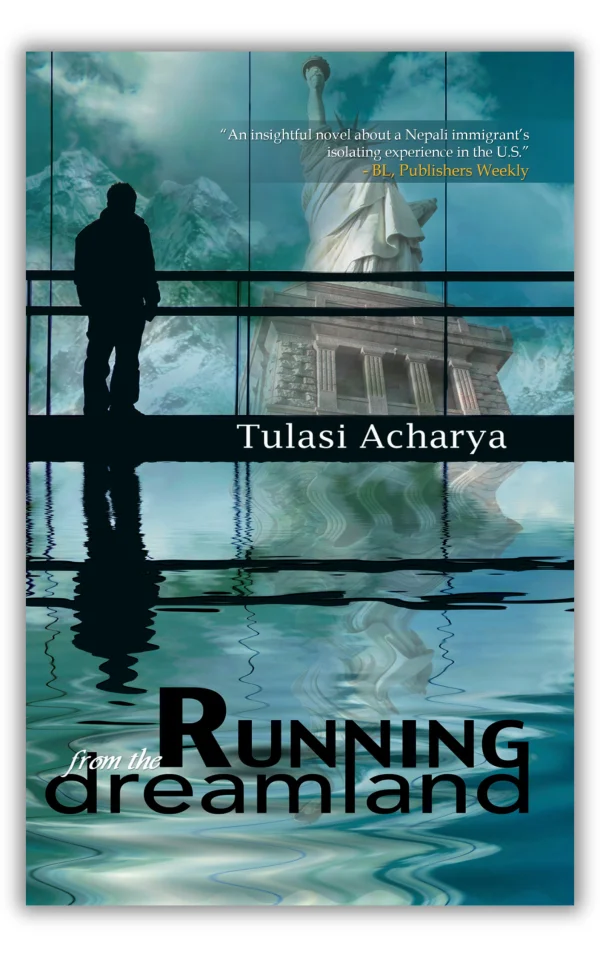
While in Nepal, I never noticed the significance of those sel rotis although we filled our bellies with it, nor their smells, nor did I deeply feel the deusire songs or the ambiance illuminated by the lamps. When I started living in the U.S. I felt them in my bones so deeply that those became one of the things to heal that sense of loss and reclaim home. Gaston Bachelard in The Poetics of Space (2014) examines how houses, rooms, attics, corners, and other intimate spaces shape memory and imagination. In Jhumpa Lahiri’s The Namesake (2003) or Interpreter of Maladies (1999), Lahiri explores everyday objects, meals, names, and domestic rituals become ways of preserving cultural belonging. To me personally, such experiences were hardly registered before. So, I realize that writing home in a foreign land enlightens, enriches, and renews one’s own experiences of physical home where we are originally from. This brings to an experience of being home despite being somewhere else. This bridges two different locations—one the place I left behind and the place where I am in. You do not completely fit in one or the other. Homi K. Bhabha talks about the state of in-betweenness in his book The Location of Culture (1994). Bhabha’s concepts of in-betweenness and cultural hybridity help explain how migrants inhabit identities that do not fit neatly into either their country of origin or their new country.
Being a writer originally from Nepal and writing in a non-native language is writing a different culture filled with loss of home and reclaiming it, so to speak. On top of that, writing in English while living in a different land, for example, in the United States helps me comparatively reflect on the idea of how I view the world through different cultural perspectives and in different settings. It not only encourages me to dissociate some of the meanings of home but also helps me connect with new associations of home—home doesn’t mean only the memories of certain cultures that we have experienced during our upbringing, but it also means mental thought that we can create of our own and experience it. It is more of a subjective experience, that comes with many implicit images which trigger a lot of memories and re-memberance, helping me re-experience the same location and culture differently. Home is our psyche, our subjective experience.
Missing home or reexperiencing it in a foreign land is to re-experience who we are and what home is to us; it situates our identity, thus avoiding the feeling of vulnerability that stems from missing home. As a Nepali writer living in the US, habituating in a different culture and writing in English is not only a story of cultural adjustment, but also a social, psychological, emotional, and cultural reawakening and reexperience. (Originally Published in The Valdosta Daily Times, dated Nov 15, 2026)